How Neuroscience Helps us Understand Mind and Brain?
How Neuroscience Helps us Understand Mind and Brain?

Let’s Dive into the 5 Role of Neuroscience:
1. Functional magnetic resonance imaging:
It is one of the primary technologies that neuroscientists rely on while doing research on the human brain (fMRI). The functional magnetic resonance imaging (fMRI) approach is a non-invasive imaging method that analyzes blood flow in the brain. Blood flow in the brain is an indication of neuronal activity. It is included in the Role of Neuroscience.
Scientists are able to determine which regions of the brain are engaged during various activities, such as seeing, hearing, or thinking, as a result of this technique. Scientists are able to get insight into the structure of the brain and the ways in which it processes information by comparing the brain activity of a variety of individuals or of the same individual doing a variety of activities.
2. Electrophysiology:
Electrophysiology, which includes monitoring the electrical activity of neurons, is yet another significant technique for the study of the brain. Electroencephalography (EEG) and patch-clamp recording are two examples of methods that might be used to accomplish this. It has been the Role of Neuroscience.

Through the use of these approaches, researchers are able to see how individual neurons or clusters of neurons react to a variety of stimuli and how they interact with one another. Genetics is another important technique that is used in the Role of Neuroscience.
3. Schizophrenia and Autism
Scientists are able to get a better understanding of the ways in which certain genes have an effect on the development and operation of the brain by doing research on the genetic foundation of brain function. For instance, research conducted by experts has shown that certain genes are linked to particular conditions, such as schizophrenia and autism. It is considered a Role of Neuroscience.
Scientists believe that by better understanding the genetic variables that contribute to these ailments, they may be able to design more effective therapies. The study of behavior and cognition is strongly connected to the study of the brain and nervous system as well.
4. Brain processes
This is due to the fact that the brain is in charge of directing all of our physiologic as well as mental processes. Neuroscientists, for instance, investigate how the brain interprets sensory data such as images and sounds, as well as how this data is utilized to govern our actions and movements.
In addition to this, they investigate how the brain processes information in order to build memories, make choices, and solve issues. In addition to this, neuroscientists are interested in studying the emotional and motivational processes that are rooted in the brain to identify the Role of Neuroscience.

Scientists are able to gain insight into the ways in which emotions and motivations are controlled, as well as the ways in which they have an effect on human actions, via the study of the neural circuits and brain areas that are involved in these processes. This information may assist us in better understanding and treating conditions such as sadness and anxiety.
In conclusion, the Role of Neuroscience is an interdisciplinary subject that helps us understand how the mind and behavior are related to the functioning of the brain and nervous system. Neuroscientists are able to investigate the brain at many levels, from individual neurons to systems, and in different states such as normal and disordered by making use of methods such as functional magnetic resonance imaging (fMRI), electrophysiology, and genetics.
This information may assist us in comprehending and treating conditions that affect the brain, as well as advancing our knowledge of the mind itself. The study of neural networks is one field of research that is assisting us in better comprehending the workings of the mind and the brain. Neurons are connected in networks to form what is known as a neural network and the Role of Neuroscience.
5. Neural networks:
Neural networks are responsible for the formation of the mind. Neural networks are being used by researchers to mimic the brain and get a better understanding of how the brain generates the mind. The imaging of the brain is being studied, which is another field of research that is contributing to our growing understanding of the mind and brain.
Imaging methods for the brain, such as functional magnetic resonance imaging (fMRI) and positron emission tomography (PET), provide us with the ability to see into the brain and get an understanding of how it functions. These methods are assisting us in gaining a better understanding of which regions of the brain are responsible for certain mental functions. These are important Role of Neuroscience
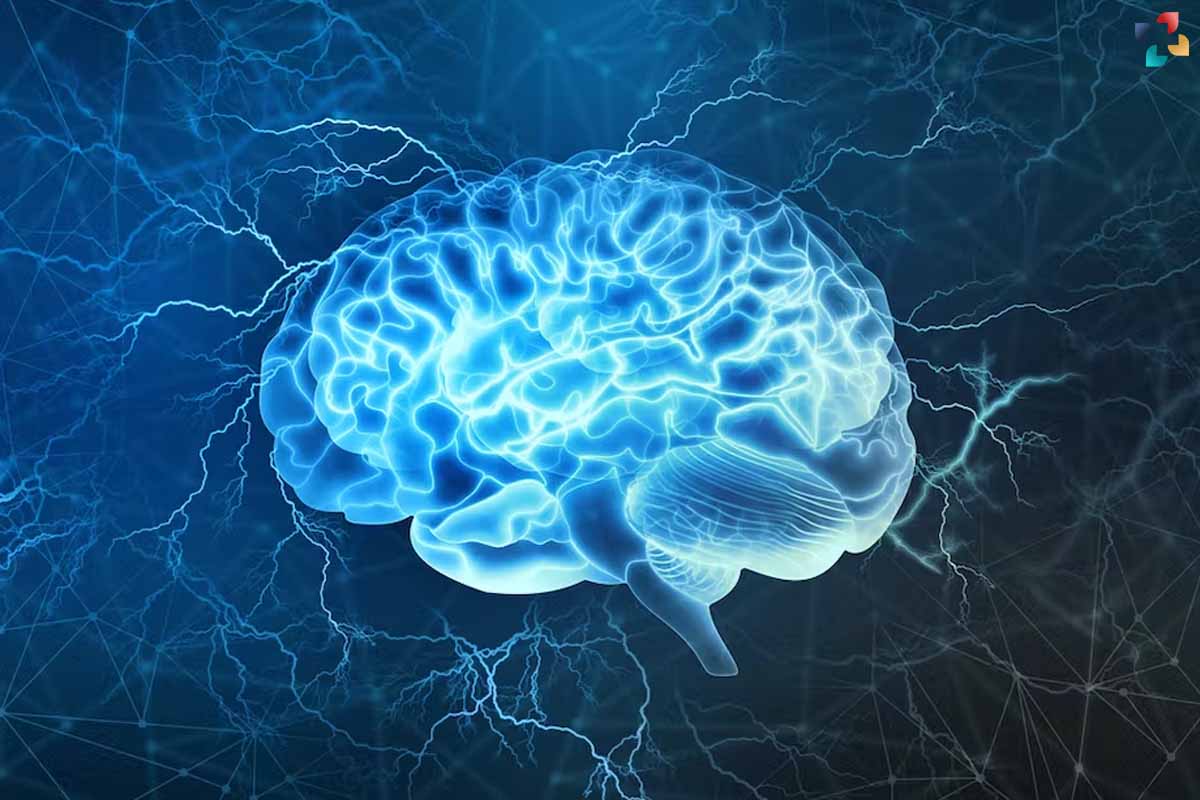
The study of the mind-body link is the third field of research that is assisting us in gaining a better understanding of the mind and the brain. Because of their intimate relationship, the mind and the body are both susceptible to being affected by the condition of the other.
Both the ways in which the mind may influence the body and the ways in which the body can influence the mind are now being investigated by researchers. For example, stress has been shown to increase the risk of developing physical disorders. It is one of the Role of Neuroscience.
Conclusion:
The study of conditions that affect the mind and the brain is the subject of a fourth field of research that contributes to our growing understanding of these organs. Problems in the brain are the root cause of a wide variety of mental illnesses, including schizophrenia and clinical depression. Researchers are examining these conditions in an effort to determine what causes them and how to effectively treat them.
The study of consciousness is a fifth field of research that is assisting us in better comprehending the workings of the mind and the brain. A person is said to be conscious when they are aware of both themselves and the environment around them. Consciousness is now being investigated by scientists in an effort to figure out how it is connected to the mind and where it comes from in the brain.
These all are the Role of Neuroscience.
To Know More About the Mind and Brain Check these 5 Steps to Follow for a More Creative Brain


Comments
Post a Comment