6 Most Common Cat Health Problems
6 Most Common Cat Health Problems

Self-grooming is something that comes naturally to cats. However, even the most careful feline won’t be able to avoid some of the most prevalent cat health problems and illnesses that affect cats.
Here are the 6 Most Common Cat Health Problems;
1. Vomiting
Cats often experience vomiting for a variety of reasons, making it one of the most prevalent health issues they have. Ingestion of anything harmful or inedible (like thread, for example), infection, urinary tract illness, diabetes, and hairballs are only a few of the possible causes of cat health problems.
Drooling and stomach heaving are two of the most noticeable symptoms associated with this condition. Your cat may get dehydrated very rapidly if it continues to vomit, so you should contact your veterinarian as soon as possible if your cat displays any signs of illness. It is possible that taking a sample of your cat’s vomit to the veterinarian may be helpful in diagnosing the problem.
2. Diseases of the Lower Urinary Tract in Felines (FLUTD)
According to some estimates of cat health problems, up to three percent of cats examined by veterinarians suffer from feline lower urinary tract illness (FLUTD). FLUTD refers to a set of disorders that affect felines and may have a variety of root causes.

FLUTD may affect both female and male cats, and it most often manifests in cats who are either overweight or unfit, or that consume dry food. The incidence of feline lower urinary tract disease (FLUTD) may be increased by a number of factors, including unexpected changes in the cat’s environment, stress, and the presence of other cats in the home.
3. Fleas
Fleas are a fairly prevalent condition of cat health problems that may be seen on the outside of a cat’s body. However, it is one that may be remedied with relative ease. Some of the signs that your cat may have fleas include:
filth from fleas on its skin (they look like tiny black dots)
Constant itching and scraping
Frequent licking
skin that is red or inflamed
Hair loss
Infections of the skin or irritated patches
Your cat is at risk for anemia if the flea issue gets severe; thus, it is important to treat the existing flea problem and take measures to avoid further infestations. Fleas may survive for more than a year, even though in most cases they don’t.
4. The Tapeworm
Tapeworms, which reside in the small intestine of your cat and may grow as long as two feet in length, are one of the most prevalent health issues that can affect felines. Tapeworms are segmented, and when they are evacuated, they often break up into their individual segments. It is quite uncommon that one will come across a whole worm. In most cases, you will notice the portions.
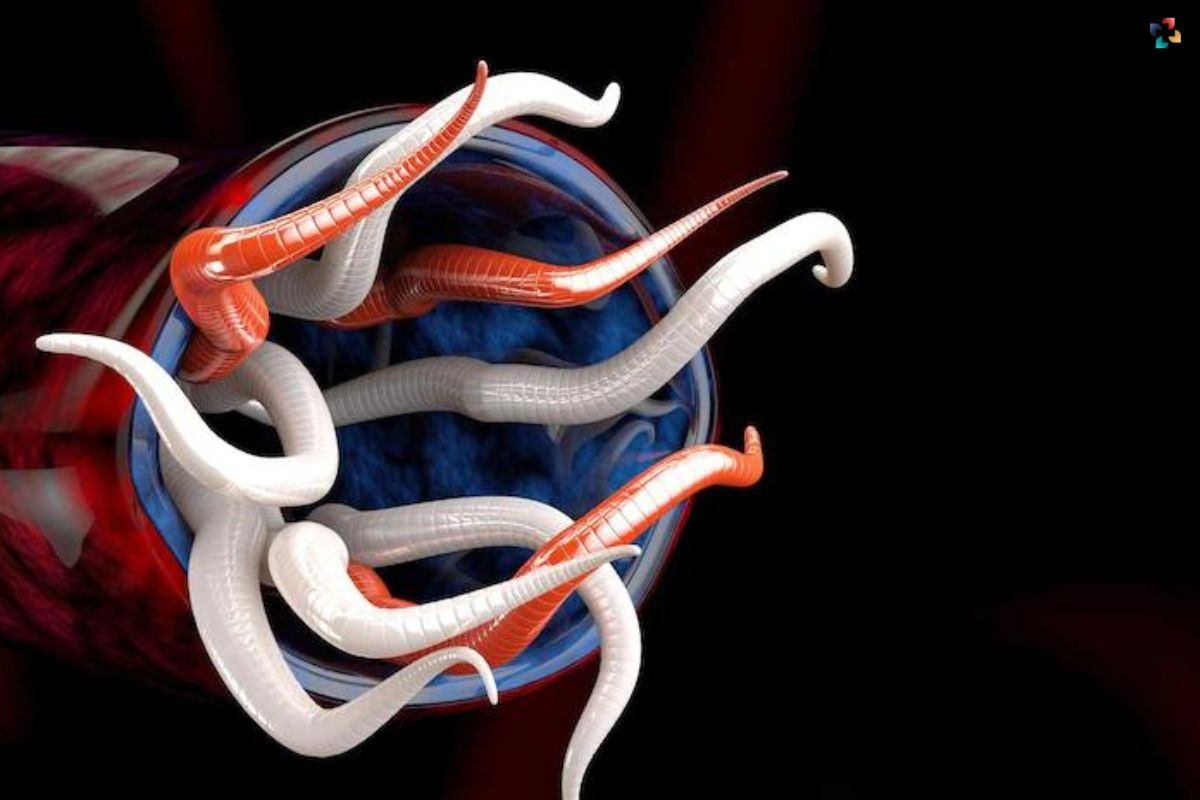
Tapeworm infections may cause modest symptoms, but some people experience nausea, vomiting, and a lack of appetite. Examining your cat’s feces, the area around its anus, and its bedding for signs of tapeworms is the simplest approach to determining whether or not your cat has the parasite.
In most cases of cat health problems, tapeworms will exit the anus of your cat when it is napping or otherwise calm. Tapeworms are certainly present in your cat if you see any little white worms or anything that resembles grains of rice or sesame seeds.
Medications may be administered intravenously, orally, or topically as treatment options. However, as cats nearly invariably obtain tapeworms as a consequence of eating a flea, you will also need to treat any flea issues that your cat has in addition to the tapeworms.
5. Diarrhea
Cats may have diarrhea for a variety of reasons, some of which include intestinal parasites, food that has gone bad, allergic reactions, infections, liver illness, cancer, and more cat health problems. Diarrhea is characterized by loose stools that are watery or liquid in consistency.
Diarrhea may continue anywhere from one day to many months at a time, depending on the underlying reason. If your cat has diarrhea, be sure to give it plenty of fresh, clean water to drink so that it doesn’t get dehydrated.
Then take the cat’s food away for no more than a day and a half. If your cat is still having diarrhea after a day, you should take them to the veterinarian. You should also do so right away if you see other symptoms such as vomiting, bloody or black stools, fever, lethargy, loss of appetite, or if your cat is straining to defecate.
6. Eye Problems
Conjunctivitis, corneal ulcers, cataracts, glaucoma, trauma, viruses, inflammation, and retinal diseases are only a few of the things that may cause eye issue in-cat health problems. Other possible causes include conjunctivitis and glaucoma.
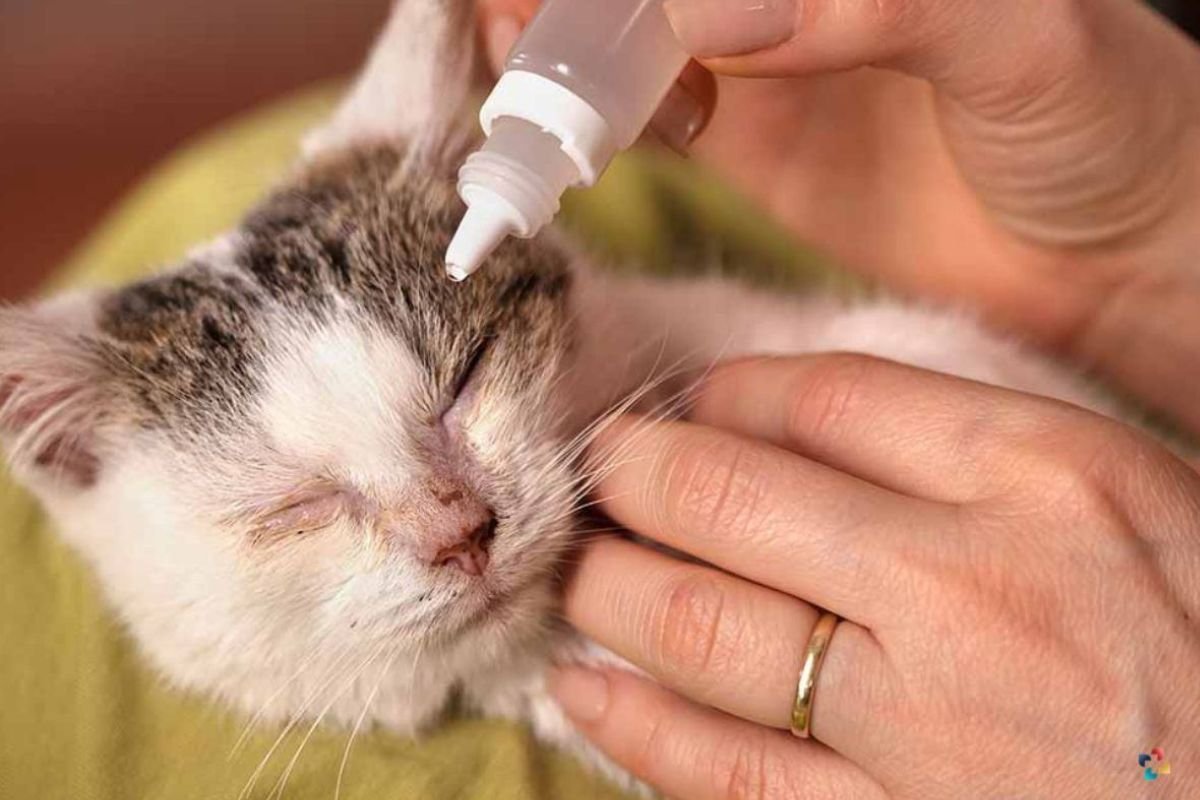
Eye discharge, hair that is stained with tear stains, cloudiness, red or white linings on the inside of the eyelids, muck in the corners of the eye, squinting, pawing at the eye, or the presence of a third eyelid are some of the signs that may indicate that your cat has an eye issue.
Other than taking your cat to the veterinarian, there isn’t much more you can do if you don’t know what’s causing the issues with its eyes. Eye issues should be treated as an emergency, therefore you should book an appointment as soon as possible for cat health problems.


Comments
Post a Comment