7 Upcoming Pharma Tech Trends in 2023
7 Upcoming Pharma Tech Trends in 2023
By The Lifesciences Magazine
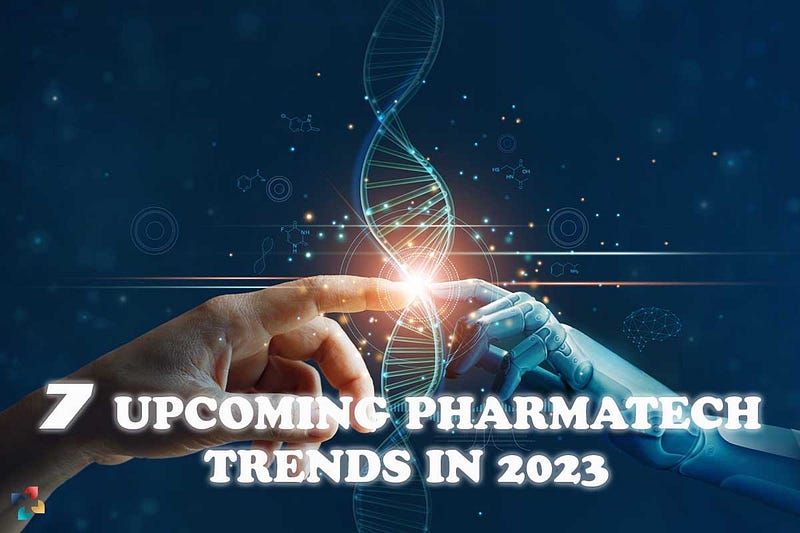
Recent pharma tech trends indicate a significant movement away from the industry’s historical resistance to change. Modern tools like augmented reality (AR), virtual reality (VR), artificial intelligence (AI), and additive manufacturing are assisting the pharmaceutical industry in speeding up the R&D process, customizing product designs, and conducting novel forms of testing.
In the end, these innovations improve healthcare by making it more efficient and effective for both patients and medical professionals. Pharma tech trends are expanding over the world. Britain, Belgium, Germany, Switzerland, and Israel are among the nations seeing significant expansion in the pharma health technology sector, alongside the United States.
Here are 7 upcoming Pharma Tech Trends in 2023;
1. Data Analysis & Management
Research & development expenses are a major roadblock to the introduction of new pharma tech trends. For instance, it may cost around $2.6 billion to create a novel molecular molecule or biological treatment.
The knock-on consequence is a shortage in the production and distribution of life-saving pharmaceuticals. Researchers in the pharmaceutical industry may cut down on the time it takes to find new treatments by using big data techniques.
2. Wearable Tech Integration
As a result of using wearable technology in pharma tech trends, pharmaceutical firms may expand their operations outside the traditional realms of medication creation, promotion, and sales. Patients now have more control over their health and may participate in important choices thanks to this technology. Asthma, diabetes, and other long-term illnesses may be monitored remotely with the use of a variety of currently available remote patient monitoring technologies.
3. Single-Use Processes
In Pharma tech trends, Single-Use Technology (SUT) is gaining popularity among pharmaceutical manufacturers. This change is occurring because more businesses are learning about the fantastic benefits of this technology. Bioreactors driven by SUTs allow for the large-scale execution of high-end processes.
The elimination of container sterilization steps contributes to the reliability of manufactured goods, and the technique also facilitates their production. Companies in the pharma tech trends that have adopted SUT have seen decreased maintenance procedures, resulting in faster turnaround and development times, as well as streamlined operations.
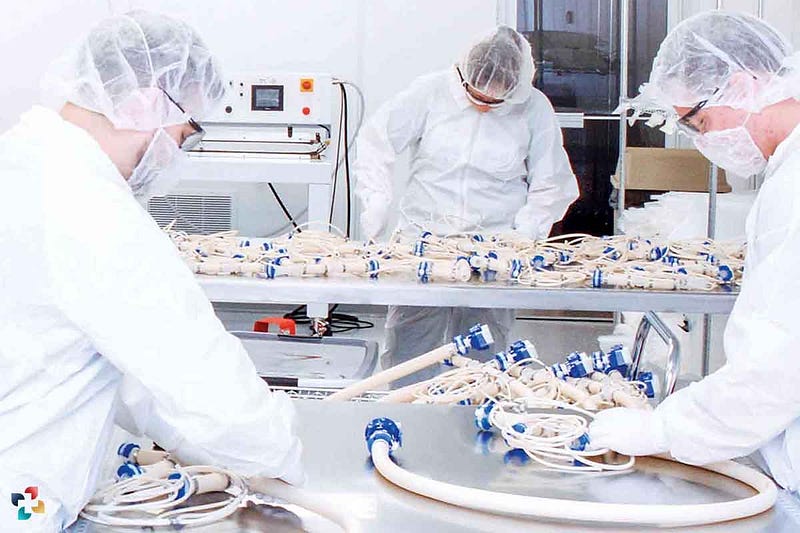
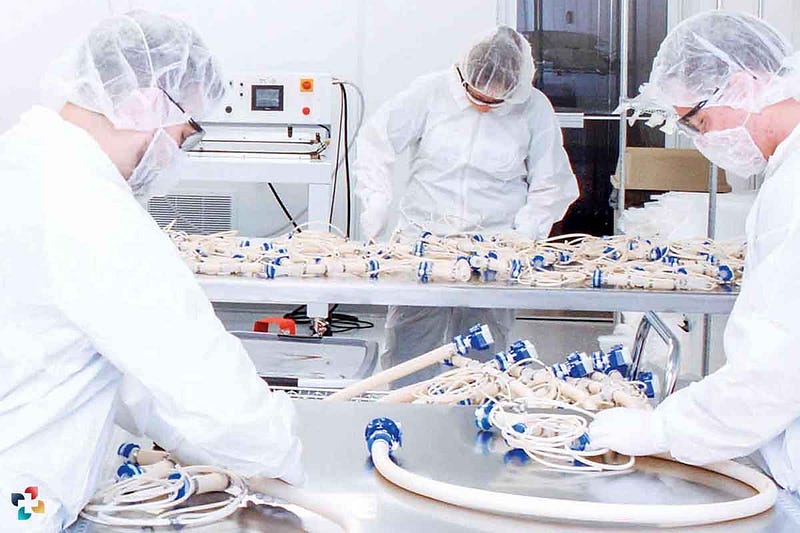
SUT-powered machinery requires just a few of hours of setup time, while stainless steel machinery sometimes necessitates several days. System upkeep is very simple, requiring just yearly cleaning and little monitoring rather than validations of sterility.
With single-use procedures, it’s simple to keep a clean and sterile manufacturing space because of the much-reduced chance of product cross-contamination. Although SUT is a novel technology, its potential applications are so extensive that the pharmaceutical industry can’t afford to ignore them. More pharmaceutical firms will get on the SUT bandwagon in 2022 and beyond because of how promising the technology is.
4. Bioprinting
The pharmaceutical business still has a huge difficulty when it comes to clinical testing. Until a more reliable method can be developed, pharmaceutical companies must conduct clinical studies using human participants to determine the effectiveness and safety of their drugs. That will soon change, however, as a result of bioprinting pharma tech trends.
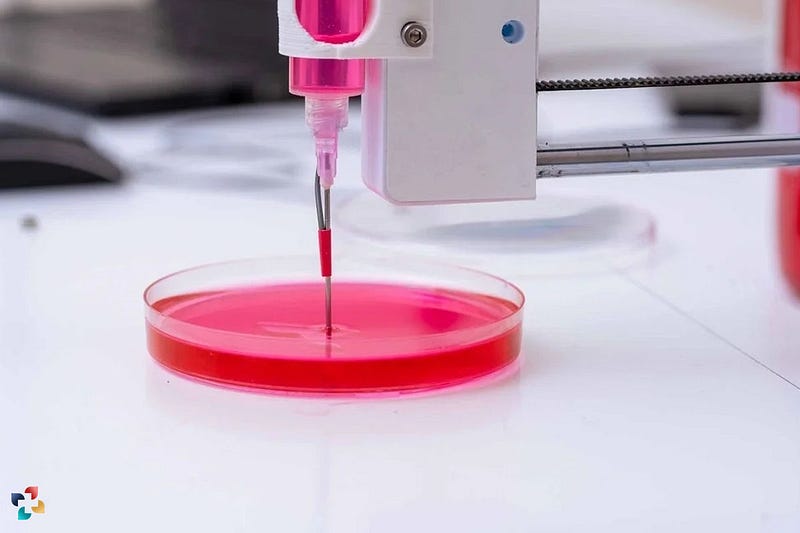
Although it may seem like something out of a dystopian film, bioprinting is really a major advancement in medical technology that use 3D printing-like procedures to make synthetic replacements for human tissue and organs. Using this method, cells, growth factors, and other biomaterials may be woven together to create a 3D structure.
5. Precision Medicine
Precision medicine is a novel method for identifying and treating medical conditions, as well as preventing their occurrence for pharma tech trends. In order to make educated, evidence-based recommendations, this technology takes into account the patient’s genetics and way of life. The value of the precision medicine industry is expected to surpass $96 billion by 2024, expanding at a CAGR of 10.7 percent.
Recent advances in targeted therapy may take most of the credit for this expansion. After being completely adopted, precision medicine will change the face of oncology by allowing for individualized care for each patient. Precision medicine is still in its infancy, and a major shift in the way doctors and scientists approach to therapy and discovery is necessary before it can be used to provide genuinely individualized care to patients.
6. In-Silico Testing
Costing a lot of money and taking a long time, developing new cosmetics products is particularly problematic when firms are on the lookout for novel components. Pharma tech trends In-silico screening is being used by an increasing number of businesses to solve these manufacturing issues. This cutting-edge technique utilizes molecular databases and computational modeling to facilitate the identification of novel active components for use in the formulation of personal care products.
Databases and simulation software that record information about molecules and their interactions with proteins are essential components of in silico screening techniques. When it comes to cancer treatment, in-silico screening may reveal how a drug interacts with proteins already known to be involved in the disease.
7. Real-World Data
The use of real-world data (RWD) in healthcare decision-making is an example of an emerging trend in pharma tech trends and health IT. In order to ascertain a product’s safety and detect adverse occurrences before making regulatory judgments, the U.S. Food and Drug Administration (FDA) employs RWD in conjunction with real-world evidence (RWE). It is with these two technologies in mind that healthcare professionals make coverage choices and formulate standards for medical equipment in clinical settings.
In pharma tech trends, medical device companies also employ R7. Real-World DataWD and RWE to back up several types of clinical trial designs, including pragmatic clinical trials and big, uncomplicated studies. In addition to helping with clinical trials and innovative treatment plans, RWD and RWE are being used in developer-sponsored observational research.


Comments
Post a Comment